

You’re not alone if you’ve ever looked at a tattoo and thought, “Maybe it’s time for this to go.” Tattoos often mark meaningful moments, but life moves on, and sometimes your skin art doesn’t feel like it reflects who you are anymore. While laser treatments are usually the first option people hear about, surgical tattoo removal is another path you might not know much about. So, can tattoos really be surgically removed, and is it the right choice for you?
What Surgical Tattoo Removal Actually Means
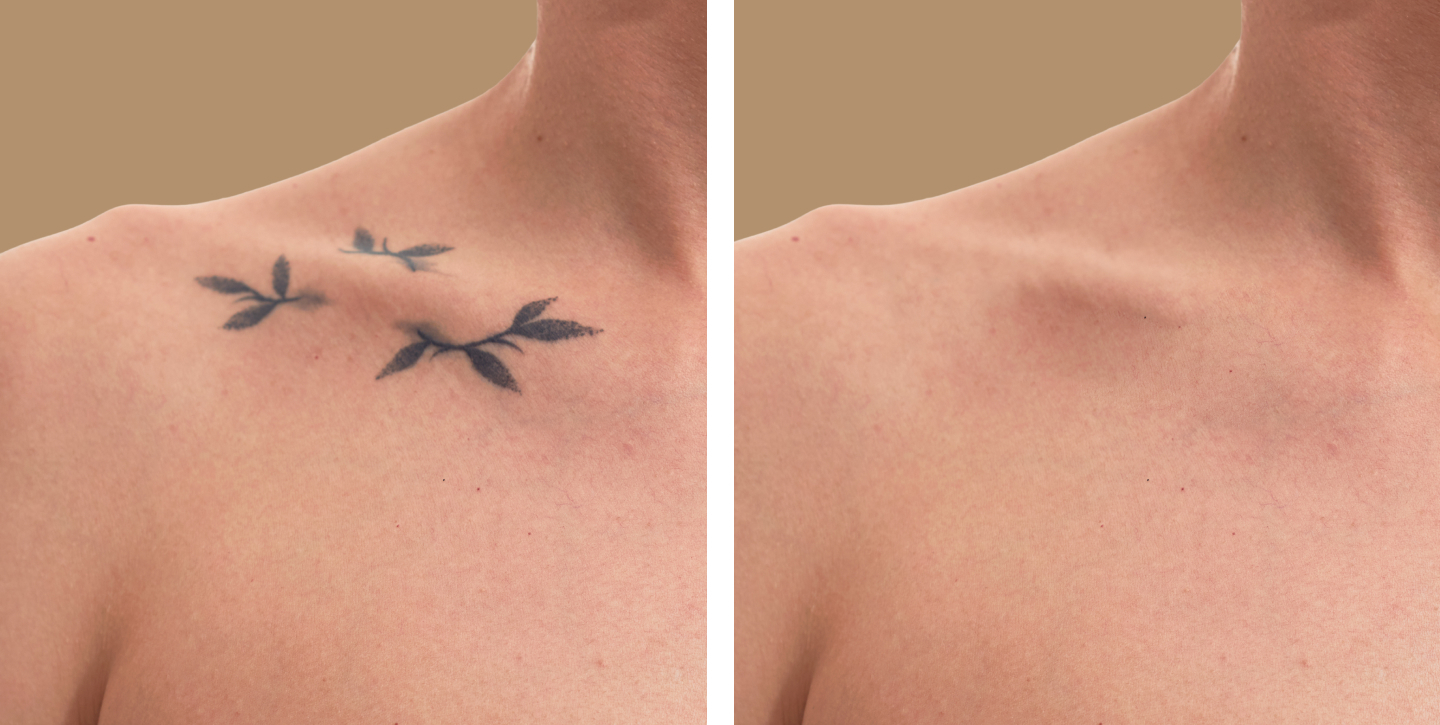
When people hear “tattoo removal,” they often think about laser machines breaking up pigment particles. Surgery is different. Instead of trying to fade the ink, the tattooed skin is carefully cut out, and the surrounding healthy skin is stitched together. Because the tattoo itself is physically removed, the results are immediate. You don’t have to wait for the ink to fade gradually. Once the procedure is done, the tattoo is gone.
For many people who visit Dr. Kashan in Long Island, that immediacy is one of the biggest draws. Instead of months or years of waiting for a design to fade, you walk away with a definitive result.
When Surgery Makes Sense
Not every tattoo is a good candidate for surgical removal, but there are situations where it can be the best solution. You may be a good fit if you:
- Have a small tattoo, especially in an area with enough surrounding skin to close the incision neatly.
- Carry stubborn inks, like bright greens, blues, or pastels, that often resist laser treatment.
- Want guaranteed removal, rather than the possibility of partial fading.
- Prefer one definitive procedure over months or years of repeated sessions.
On the other hand, if your tattoo covers a very large area or sits somewhere that makes skin closure tricky, then Dr. Kashan may guide you toward other options.
Scarring
The biggest difference between surgery and laser comes down to scarring. Because skin is removed, a scar will always remain. How noticeable it is depends on the size of your tattoo, your skin’s natural healing ability, and your surgeon’s technique.
A skilled surgeon will make every effort to minimize the scar, using meticulous closure methods and placing incisions strategically. Over time, scars usually fade and soften, though they’ll never disappear completely. For many patients, that tradeoff feels worthwhile: a thin scar in place of a bold tattoo. It’s about choosing the outcome that feels more aligned with who you are now.
Surgery vs. Laser: How Do They Compare?
Both surgery and laser removal have their place. The best choice depends on your priorities.
- Laser removal: Non-surgical, fewer risks, but requires multiple sessions and isn’t guaranteed to remove every color of ink. It’s a slower, gradual process.
- Surgical removal: One-time procedure, your tattoo is gone immediately, but it leaves a scar. It’s definitive but carries a visible reminder.
Some patients actually combine the two. For example, a large tattoo may first be treated with a laser to reduce its size and density, then surgery can remove what’s left. This blended approach can minimize scar length while still providing complete removal.
What to Expect During Recovery
Recovery from surgical tattoo removal is usually manageable. You’ll go home the same day, with sutures placed carefully along the incision. Mild swelling, redness, or tenderness are common in the first week, but most patients are able to return to work and normal life quickly.
You’ll need to keep the area clean, avoid strenuous activity until cleared, and follow your surgeon’s aftercare instructions closely. Stitches are typically removed within 1–2 weeks, and as healing progresses, your scar will start to soften. Patience is important, as scars continue to mature and fade over the course of a year.
Is It Worth It?
The decision to remove a tattoo surgically is personal. For some, the presence of a scar feels like a much lighter emotional and physical burden than carrying a tattoo that no longer feels like “them.” For others, the thought of a scar outweighs the benefits, making laser or even simple acceptance of the tattoo more appealing.
What matters most is that you have all the facts and feel supported in making a choice that feels right for your body and your story.
Your Next Step
If you’re thinking about removing a tattoo, the next step is a consultation. Dr. Kashan will examine your tattoo, talk through your goals, and give you an honest picture of what surgical removal could look like for you. Whether you move forward with surgery, explore laser, or decide to keep your tattoo, you’ll walk away knowing you made the decision with confidence.
At the end of the day, tattoos mark our past, but you deserve to shape your future in a way that feels authentic. Dr. Kashan and his team in Long Island are here to help you take that step.